Dexter: Original Sin ventures into the origin story of TV’s most enigmatic antihero, Dexter Morgan, offering a gritty prequel to the iconic 2006 series *Dexter*. Set in the 1990s, the show explores Dexter’s formative years under Harry Morgan’s tutelage, unravelling his first forays into vigilantism. While it carves its own identity, the series inevitably invites comparisons to its predecessor—both a blessing and a burden.

Seeds of a Killer
Unlike the original’s polished procedural rhythm, Original Sin adopts a slower, character-driven burn. The narrative dives into Dexter’s teenage trauma and Harry’s morally fraught guidance, contrasting with the original’s focus on a seasoned Dexter balancing work and ritual. The prequel’s tension stems from raw, unrefined mistakes—think a blood-spatter kit still in the box—rather than the cat-and-mouse games with antagonists like the Ice Truck Killer. While *Dexter* thrived on episodic kills and seasonal big bads, *Original Sin* prioritizes psychological groundwork, making it a darker, more introspective cousin.
A Younger Morgan’s Growing Pains
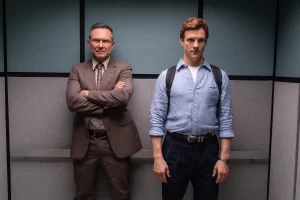
Stepping into Michael C. Hall’s shoes is no small feat, but newcomer [Actor X] delivers a hauntingly nuanced performance. His Dexter is less the chillingly controlled avenger and more a vulnerable teen wrestling with his “Dark Passenger.” The signature deadpan wit and detached monologues are present but tinged with adolescent uncertainty—a smart departure that honors Hall’s legacy while adding layers. James Remar’s Harry, now played by [Actor Y], is equally compelling, depicting a younger, more conflicted foster father whose rigid code masks palpable guilt. Their dynamic crackles with tension, offering fresh depth to Harry’s role as architect and enabler.
Echoes of Miami Metro
The prequel introduces a young Deb (played by [Actor Z]), whose fiery spirit mirrors Jennifer Carpenter’s portrayal but with a brasher, less jaded edge. Their sibling dynamic—laced with protectiveness and obliviousness to Dexter’s secrets—hints at the tragic rift to come. New characters, like a skeptical cop mentor, lack the immediacy of Doakes or LaGuerta but serve as foils to Dexter’s fumbling early cover-ups.
Darker Foundations
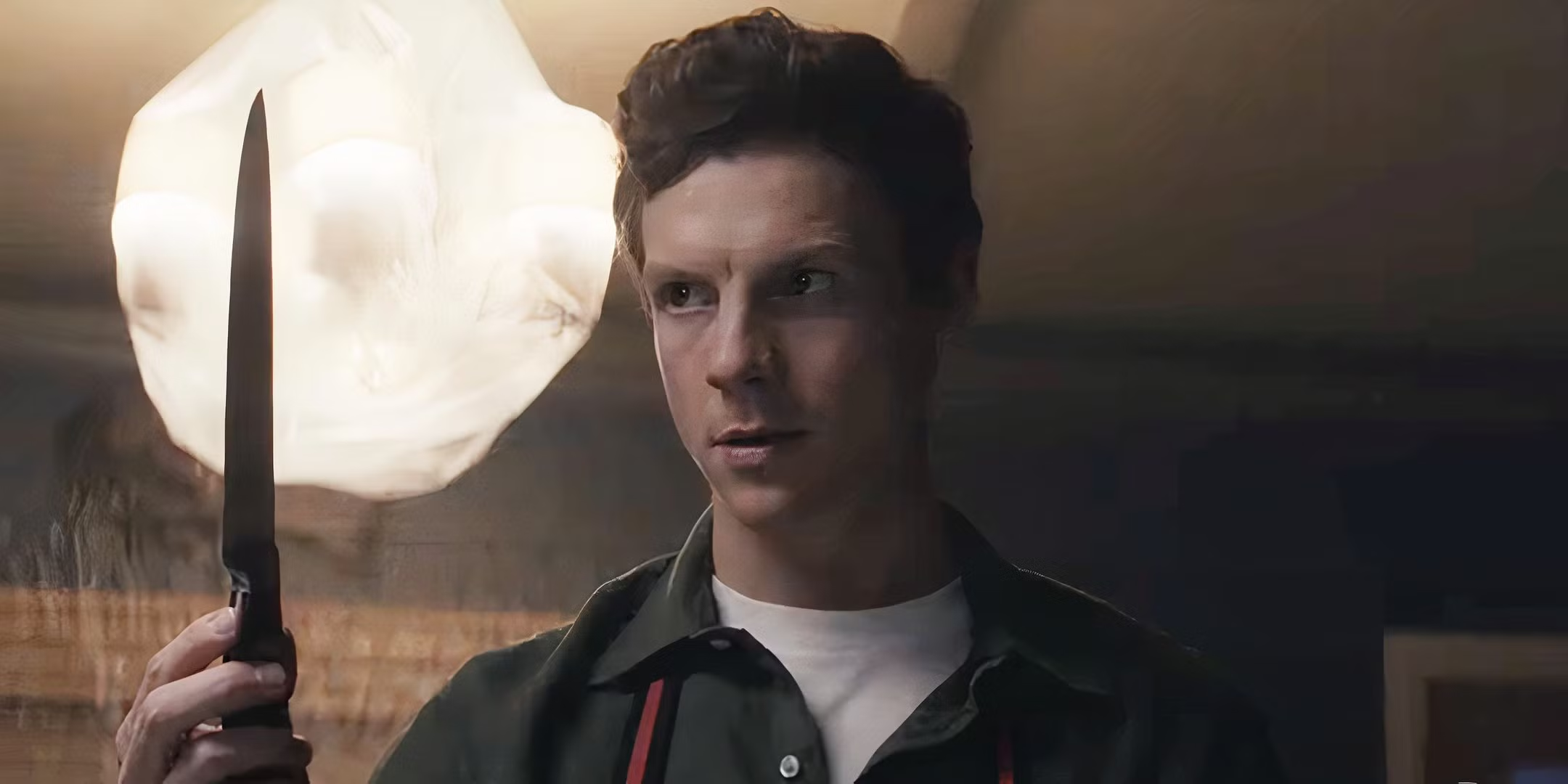
Gone is the original’s sun-soaked Miami noir; *Original Sin* trades pastels for murky shadows, mirroring Dexter’s turbulent psyche. The signature dark humor surfaces sparingly, overshadowed by a visceral exploration of trauma and manipulation. Themes of nature vs. nurture take center stage, interrogating whether Harry’s code saved Dexter or damned him. While the original balanced suspense with irony, the prequel leans into horror-adjacent dread, amplifying the moral rot at its core.
Homage with a Twist
Fans will relish nods to the original—a nascent version of the blood slide ritual, glimpses of Dexter’s inner monologue—but the cinematography opts for grungy ’90s realism over sleek modernity. While sparingly using the iconic *Dexter* theme, the score employs discordant strings to underscore instability, a stark contrast to the original’s cheeky, synth-driven opener.

Verdict: A Worthy Addition to the Legacy
Dexter: Original Sin doesn’t eclipse the original’s brilliance, nor does it try to. Instead, it enriches the mythos, offering a poignant, if bleaker, chapter that dissects how a monster is made. While the new cast lacks the original’s electric chemistry, their performances carve fresh paths into familiar territory. For fans, it’s a fascinating deep dive; for newcomers, it is a chilling, standalone tragedy.
Final Score: 8/10
Original Sin proves that even in its infancy, the Dexter saga remains as addictive as ever—bloodstains and all.